
Authors: A collaborative piece by the Campaign Team of Kaoem Telapak, KAoem MUda, and Komdes (Village Community).
In the eastern region of Indonesia lies an island renowned as the country’s largest coconut producer: Wawonii Island. Situated in the Banda Sea, specifically within the Konawe Islands Regency of Southeast Sulawesi, its name holds a literal meaning. In the local Wawonii language, “Wawo” means high ground or above, while “Nii” means coconut.
Under Law No. 27/2007 on the Management of Coastal Areas and Small Islands, Wawonii is classified as a small island. The majority of its inhabitants rely on agriculture for their livelihood, though many turn to fishing during certain seasons to harvest the ocean’s bounty. Wawonii is characterized by its untouched, natural beauty, surrounded by exotic beaches. The island is also blessed with several relatively large rivers—including the Lampeapi, Lansilowo, Ladianta, and Wungkolo rivers—alongside natural springs that serve as the community’s primary sources of clean water.
However, despite its small size, Wawonii is not immune to the threats of extractive industries, ranging from illegal logging and oil palm plantations to mineral mining. Desktop research and field investigations conducted on the island reveal that mining operations have caused severe environmental degradation, triggering profound social and economic consequences for the local population.
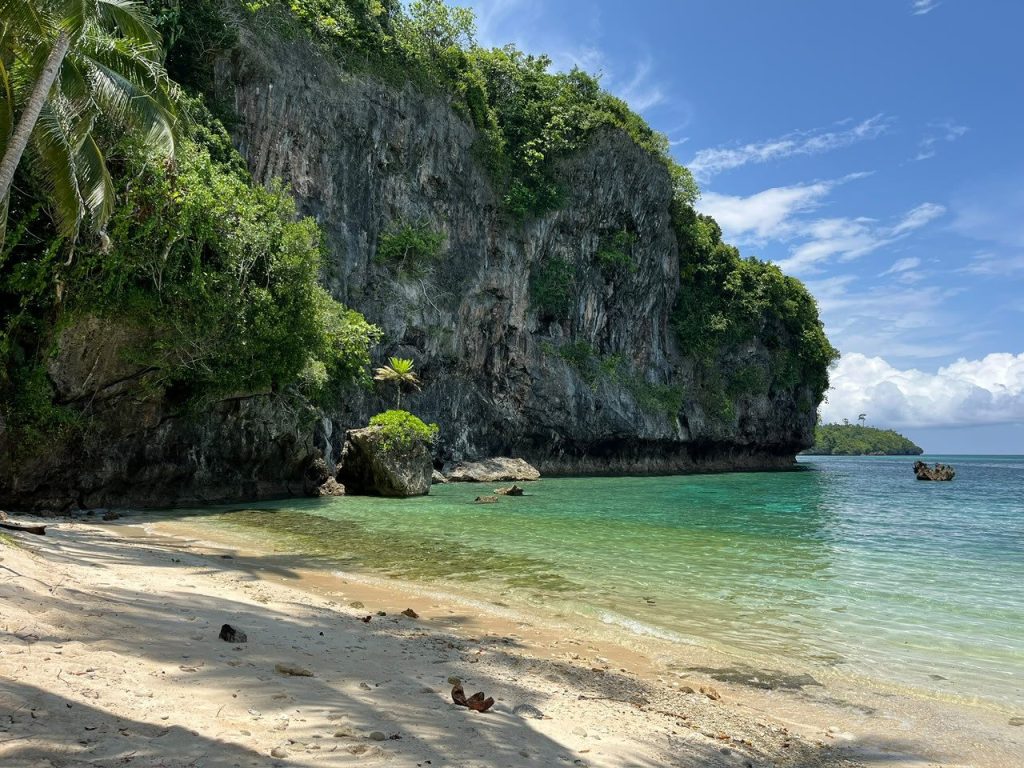
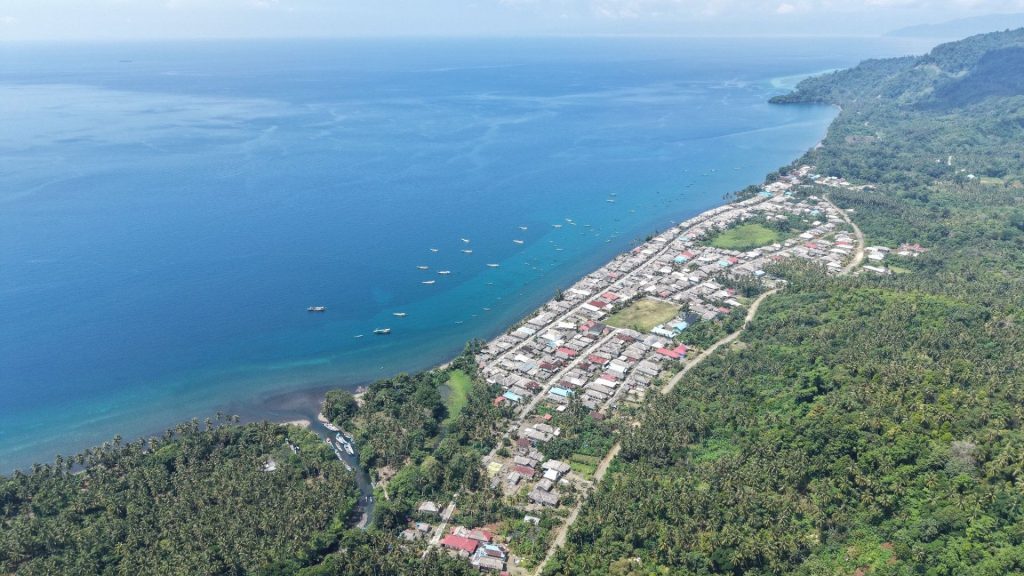
Documentation: Kaoem Telapak 2026
Threats Facing Wawonii Island
In southeastern Wawonii, massive landscape alterations are being carried out by the nickel mining company PT Gema Kreasi Perdana (PT GKP). Data from Nusantara Atlas and Global Forest Watch indicates that the company cleared 11 hectares of forest in the past year alone, accumulating a total deforested area of 59 hectares between 2022 and 2025.
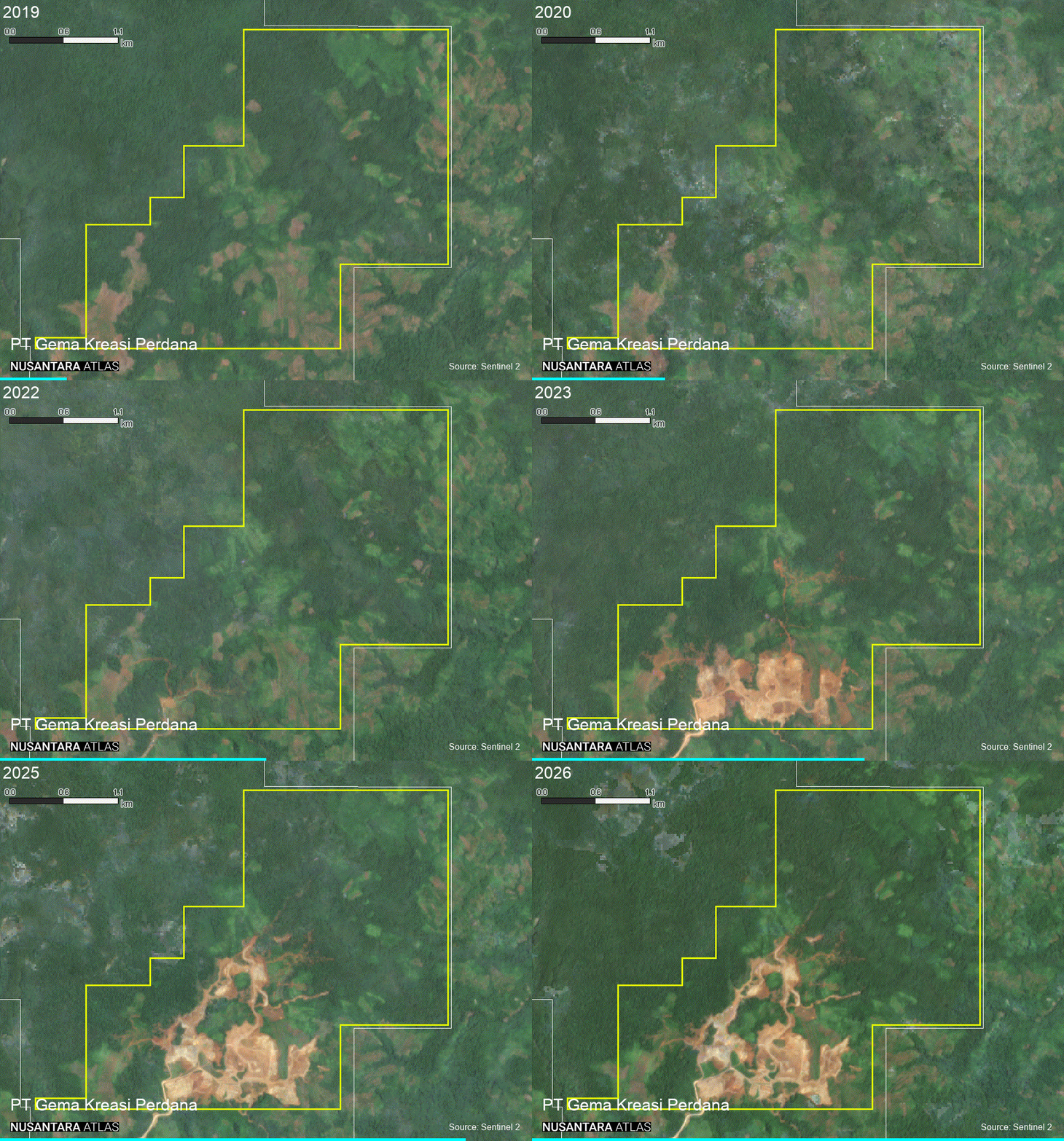
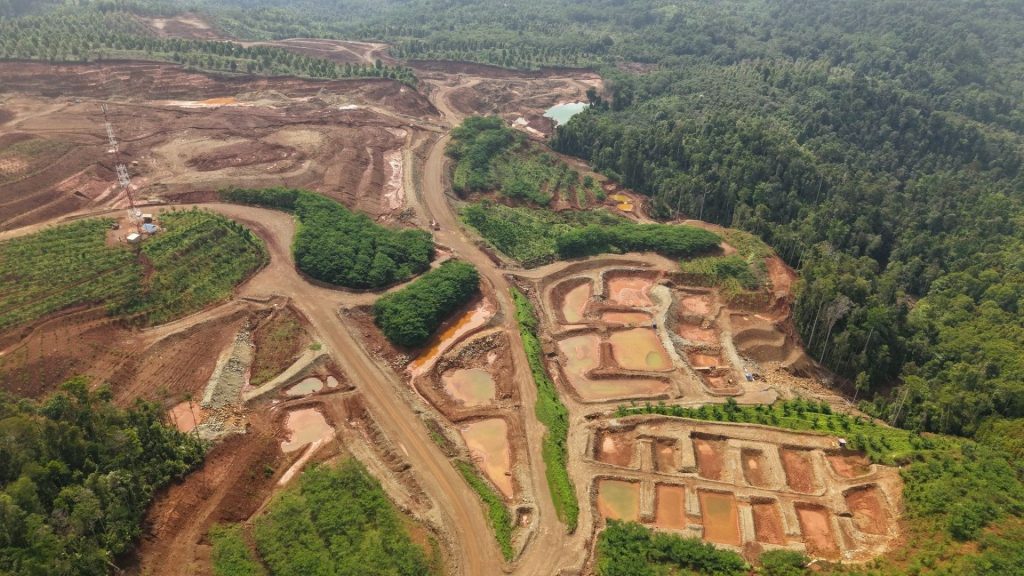
Documentation: Kaoem Telapak 2026
This land clearing does not just strip away tree cover and destroy local flora and fauna; it also appropriates community-managed agroforestry lands, which are dominated by agricultural commodities such as cloves and cashew nuts.
Water Crises, River Pollution, and Marine Degradation
Beyond the immediate threat of deforestation, Wawonii Island faces a critical shortage of clean water. As a small island ecosystem, freshwater is a vital and finite resource that requires sustainable management. Although Wawonii boasts several major rivers, landscape disruptions and the loss of forest canopy have severely compromised the local watersheds.
The community is already experiencing the impacts through a decrease in the quality and availability of clean water resources. This condition can be seen along the Roko-Roko River, Southeast Wawonii District, which is impacted by the mining activities of PT GKP.
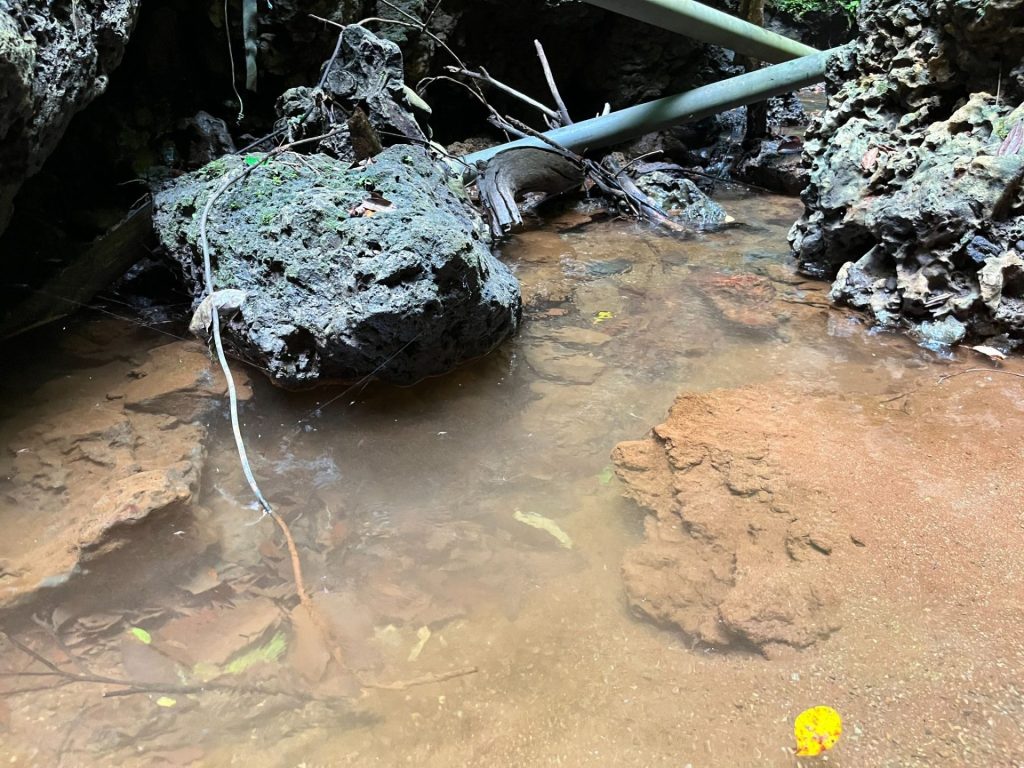
Documentation: Kaoem Telapak 2026
One of the damaged natural springs is located in Sukarela Jaya Village. The water condition is murky, muddy, and emits a pungent odor. Because the spring sits directly beneath PT GKP’s active mining site and hauling route, it is highly vulnerable to sediment runoff and contamination. Consequently, villagers can no longer use it for their clean water needs.
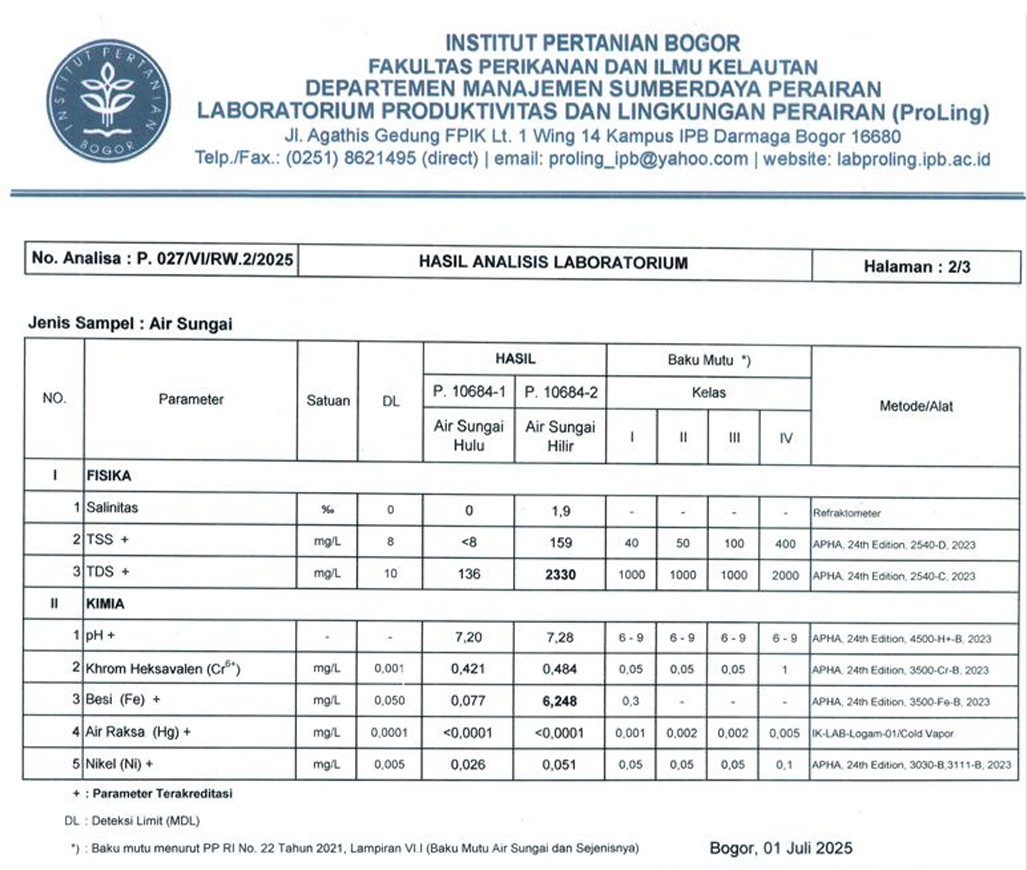
Source: Aquatic Productivity and Environment Laboratory, IPB University 2025
Furthermore, laboratory tests conducted by the Productivity and Aquatic Environment Laboratory at IPB University in 2025 revealed that water samples from the Roko-Roko River are contaminated with heavy metals, including nickel. This indicates that the impacts of mining extend far beyond land destruction, poisoning the entire surrounding ecosystem. The reality of this river pollution is deeply felt by the residents of Sukarela Jaya and Roko-Roko villages.
According to direct testimonies from locals, everyday domestic tasks—such as washing vegetables, cooking utensils, and clothes—have become incredibly difficult because the river, once a reliable source of fresh water, is now heavily polluted. Residents living near the Roko-Roko River have complained of severe itching and a rise in skin diseases after using the river water for daily needs.
These concerns align with scientific findings that identify the presence of hazardous heavy metals, such as hexavalent chromium and nickel. These elements persist in the environment, bioaccumulate in the human body, and carry the risk of systemic toxicity and cancer. Exposure to heavy metals through contaminated water and food can severely disrupt the digestive system, while inhalation or direct skin contact poses risks to the lungs and kidneys, and can trigger various skin disorders, including dermatitis.
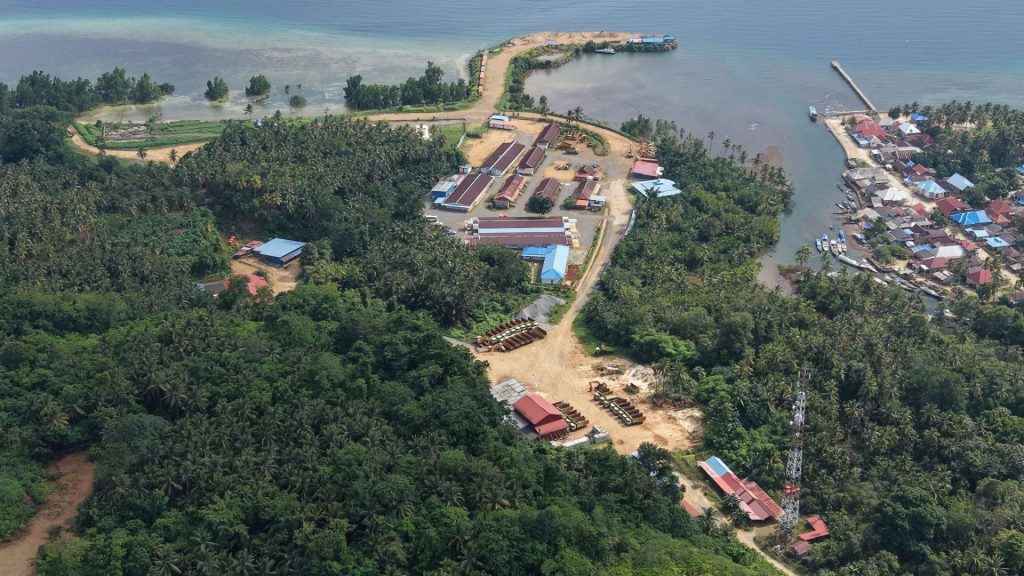
Documentation: Kaoem Telapak 2026
The impacts of mining on Wawonii Island are not only felt in inland springs and rivers; but are also clearly visible in coastal areas and the marine environment, particularly around PT GKP’s jetty (pier) in Southeast Wawonii District. The construction and ongoing operation of this jetty have altered the coastline and degraded the quality of surrounding marine waters.
Simultaneously, sedimentation from terrestrial runoff has increased water turbidity, threatening fragile coastal ecosystems—including the coral reefs that serve as vital habitats for diverse marine life. Local fishermen report a drastic decline in fish catches around the jetty area over recent years.
The Ripple Effect on Local Communities
The destruction of nature and water sources increases the vulnerability of local communities who depend entirely on sustainable natural resources. When mining corporations move in, farmlands are wiped out, water sources are ruined, and traditional livelihoods disappear. This domino effect threatens not only the economic well-being of the population but also risks igniting horizontal conflicts as essential resources become increasingly scarce.
The presence of mining activities in Wawonii has also triggered social dynamics among the community. The evolving situation on the ground has presented various perspectives among the residents. While a segment of the population stands firm in their resistance, others have chosen to accept the mining activities. This difference in views has become one of the challenges in the social life of the community, affecting the harmonious relationships between residents that have been established on Wawonii Island for generations.
For those who continue to resist, the threat of criminalization and silencing is a harsh reality. For instance, in 2022, three residents of Sukarela Jaya Village were detained for 40 days by the Southeast Sulawesi Regional Police on charges of land trespassing—stemming from an incident that occurred back in 2019. Under the shadow of mining, these communities bear the heavy burden of losing their livelihoods and risking their health, all while waging a grueling battle for justice.
Legal Status and the History of Revoked Mining Permits
Article 35(k) of Law No. 1/2014 on the Management of Coastal Areas and Small Islands strictly prohibits mineral mining operations on small islands. Yet, this legal mandate is frequently bypassed, as evidenced by the issuance of various mining business permits (IUP) across numerous small islands in Indonesia, including Wawonii.
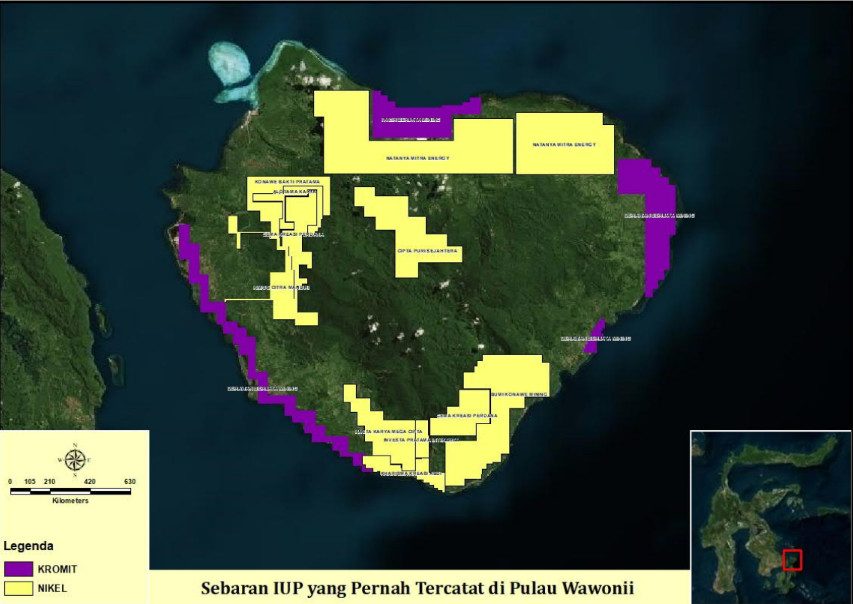
Source: KOMNASDESA SULTRA (KOMDES)
As an island rich in mineral reserves, Wawonii has long been a target for industrial mining. Data from the Ministry of Energy and Mineral Resources (ESDM) shows that as of March 2019, mining concessions on Wawonii Island spanned a staggering 25,307 hectares—accounting for approximately 35.8 percent of the island’s total landmass. Within this area, at least 16 Mining Business Permits (IUP) were recorded, consisting of 4 permits for chromite and 12 for nickel.
This aggressive expansion of mining concessions sparked deep environmental and social anxieties among residents, prompting various community groups to vocalize their dissent and demand a mine-free Wawonii. This resistance is part of a long historical struggle on the island.
The persistent advocacy of the Wawonii people eventually yielded results. The government permanently revoked nine largely inactive mining permits, including those held by PT Hasta Karya Mega Cipta, PT Pasir Berjaya Mining, PT Derawan Berjaya Mining (two permits), PT Cipta Puri Sejahtera, PT Natanya Mitra Energy (two permits), PT Investa Pratama Intikarya, and PT Kharisma Kreasi Abdi. Meanwhile, seven other permits were suspended, including PT Alotama Karya, PT Bumi Konawe Mining, PT Gema Kreasi Perdana (two permits), PT Kimco Citra Mandiri, PT Konawe Bakti Pratama, and PT Derawan Berjaya Mining (the IUP in Polara). Following the revocation of the nine permits, residents—particularly in Southeast Wawonii—continued to demand that the remaining suspended permits be permanently canceled. However, that legal battle remains ongoing.
In early February 2023, the people of Wawonii won a lawsuit at the Kendari State Administrative Court (PTUN), which invalidated the environmental permit granted to PT GKP by the Southeast Sulawesi Investment and One-Stop Integrated Services Department (DPMPTSP). Later, in September 2023, residents secured another victory at the Jakarta PTUN, which revoked PT GKP’s Forest Area Utilization Permit (IPPKH). By October 2024, the Supreme Court upheld the citizens’ victory, finalizing the cancellation of PT GKP’s forestry permit.
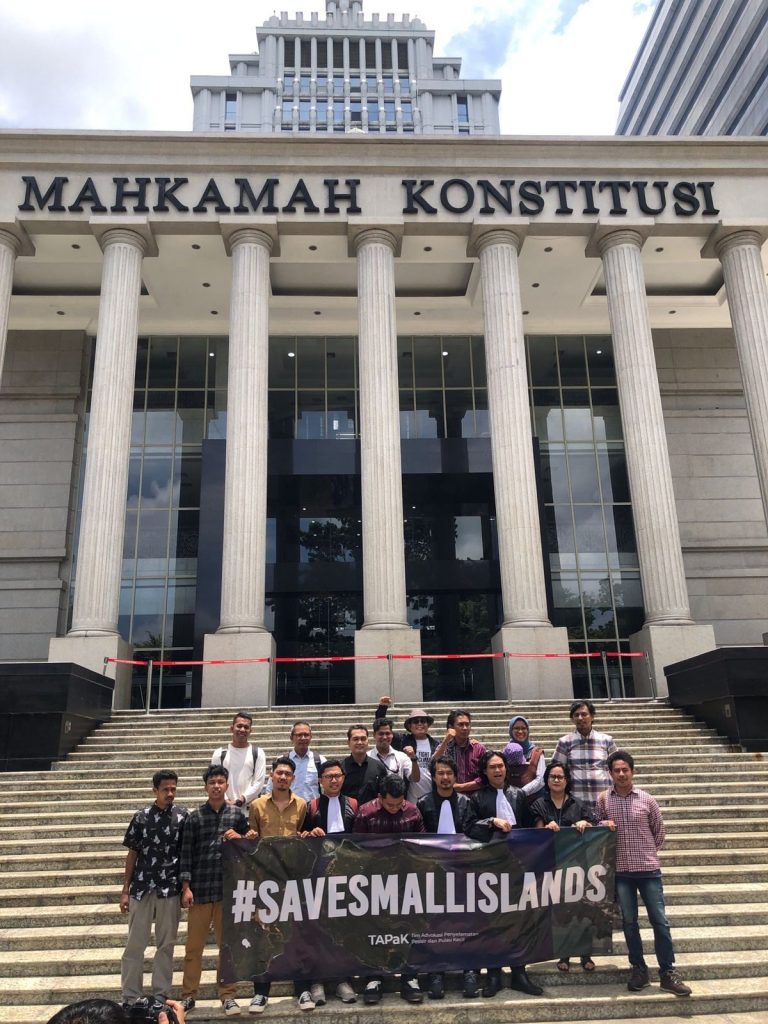
Documentation: Wawonii Community 2024
Furthermore, in March 2024, the Constitutional Court (MK) rejected a judicial review filed by PT GKP against Law No. 27/2007, reaffirming that small islands like Wawonii are legally off-limits for mining activities. Yet, despite this landmark Constitutional Court ruling, field monitoring conducted as recently as June 2025 revealed that several permits remain active, and PT GKP continues its nickel mining operations on the island.
World Oceans Day: A Reflection on the Future of Indonesia’s Small Islands
The annual commemoration of World Oceans Day every June 8 serves as a stark reminder of our collective responsibility to safeguard coastal, marine, and small island ecosystems. This protection is not just about preserving marine resources, sustaining fishing communities, boosting marine tourism, or saving coral reefs. More fundamentally, protecting the ocean means preserving the unbroken, interconnected bond between land and sea as a single, unified ecosystem.
The tragedy unfolding on Wawonii Island demonstrates that ecological destruction on land inevitably bleeds into coastal areas and the open sea. Unfortunately, Wawonii is not an isolated case. Small islands across Indonesia—from the Maluku and North Maluku archipelagos to Gag Island in Southwest Papua—face similar extractive pressures that threaten both environmental sustainability and the survival of the communities that depend on them.
Therefore, World Oceans Day must be seized as a turning point to strengthen public awareness and political will for the future of Indonesia’s small islands. Conservation efforts must go beyond ecological restoration; they must demand stronger policy frameworks and rigorous law enforcement capable of guaranteeing environmental sustainability and protecting the fundamental rights of the people who call these small islands home.


