October 8, 2026 8:20 AM | kaoem@kaoemtelapak.org

Fighting for ecological justice

kaoem@kaoemtelapak.org

October 8, 2026 8:20 AM

Sustainable Livelihood

Campaigns Issues:

The hardships of life leave people with few options for survival. Illegal logging of forests, bombing the sea to catch fish, excessive use of synthetic chemical fertilisers to boost production, are instant ways for people to meet their needs. Although these methods of livelihood damage the ecology, they are still carried out as if there is no other way. In fact, each individual can choose a sustainable livelihood strategy.

Livelihood- Deforestasi- ENG
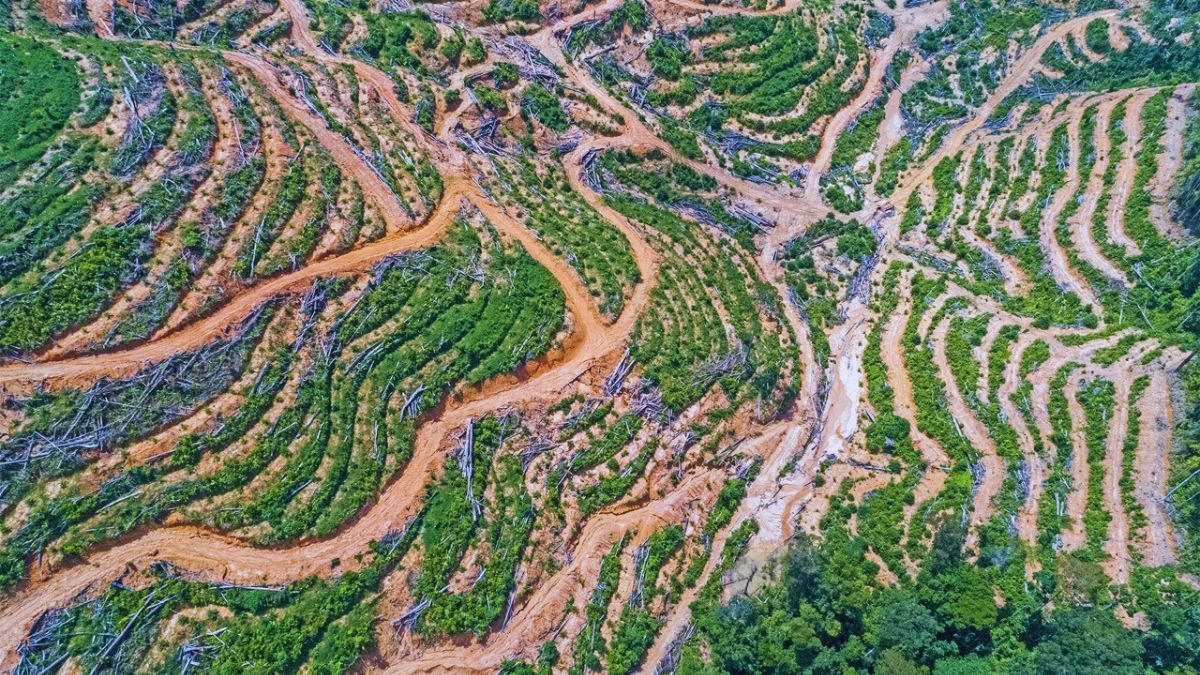
Forest Convert to Be Plantation Estate

A sustainable livelihood strategy can be defined as an individual or family’s activity to survive while still considering the preservation of nature. The quality of water, soil, air, forests, and biodiversity are included in the equation for survival. As a result, livelihoods continue without destroying nature.

Kaoem Telapak's Sustainable Livelihood Strategy

Since its establishment, Kaoem Telapak has actively promoted the idea of sustainable livelihood strategies to its constituent groups; farmers, fishermen, and Indigenous Peoples. To realise justice between natural elements and generations, in 2016, Kaoem Telapak encouraged community-based forest management in four regions, namely Lampung, Banten, Yogyakarta and West Java through Community Forestry Enterprises (CFE). The commodities developed are timber and coffee. The farmers are given knowledge capacity on environmentally friendly commodity production, as well as knowledge on business management.

After that, in 2017, Kaoem Telapak documented efforts to save biodiversity in four regions in Indonesia. These areas are Semau Island in East Nusa Tenggara, Gorontalo, Wakatobi Islands in Southeast Sulawesi, and Nusa Penida in Bali. In this initiative, Kaoem Telapak managed to summarise inspiring stories about how to implement sustainable livelihood strategies. For example, in Gorontalo, Kaoem Telapak documented the story of transmigrants who successfully implemented sustainable agriculture. All these inspiring stories are summarised in a photography book entitled, Siasah.

Foto Livelihood -2 - ENG
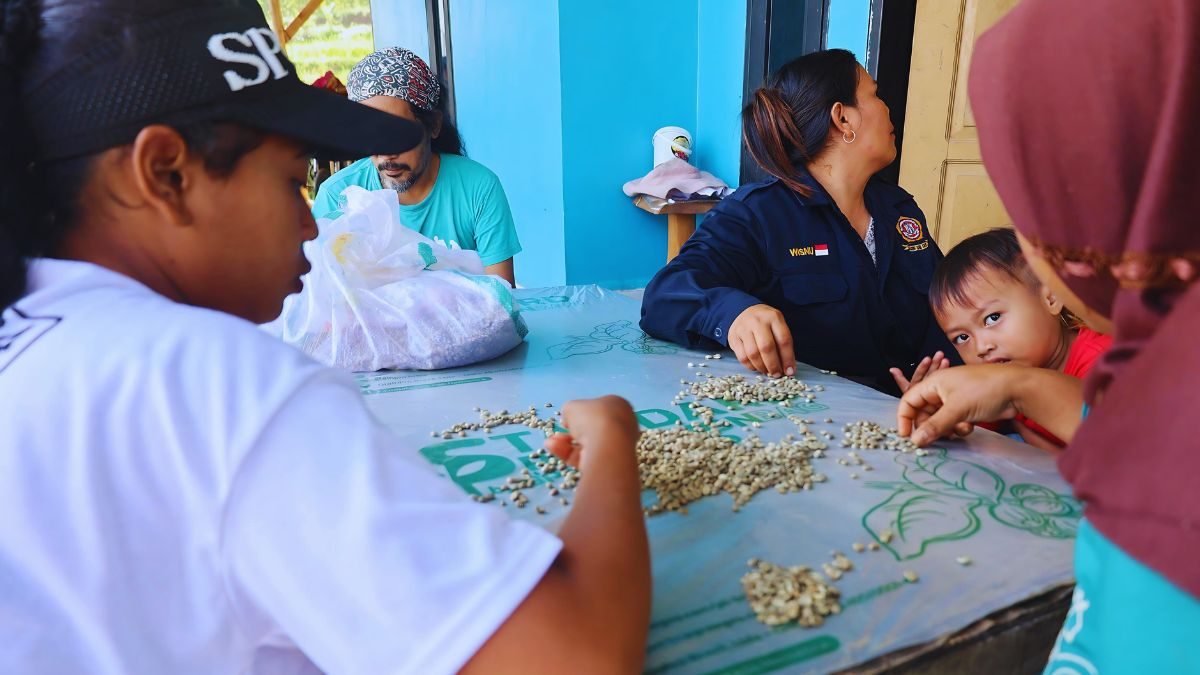
Women Picked the Best Coffee bead that They Grow.

Then in 2019, Kaoem Telapak conducted a lifescape assessment for Indigenous Peoples in Tambaruw Regency, West Papua. This activity aims to see the living space of Indigenous Peoples in Tambrauw Regency, which is related to Wuon, the name for the Indigenous School there. To see this living space, Kaoem Telapak travelled, visiting many villages located in the northern and southern parts of Tambrauw Regency. The results of this trip are summarised in a report entitled, Developing Landscape/Scape Strategy on Abun Lifescape.

Then in 2021, Kaoem Telapak conducted a sustainable livelihood assessment study in the Tambrauw Regency area. This activity is a continuation of the previous activity. This study aims to assess the livelihood conditions of Indigenous Peoples in Tambrauw Regency, which has specific characteristics, ranging from landscape to socio-culture. This study combines several survey methods. One of them is a household survey to find out all the assets that can encourage the livelihoods of Indigenous Peoples there. A full description of this activity can be found in the report document Sustainable Livelihood Development in Tambrauw Regency.

Livelihood -Foto - ENG
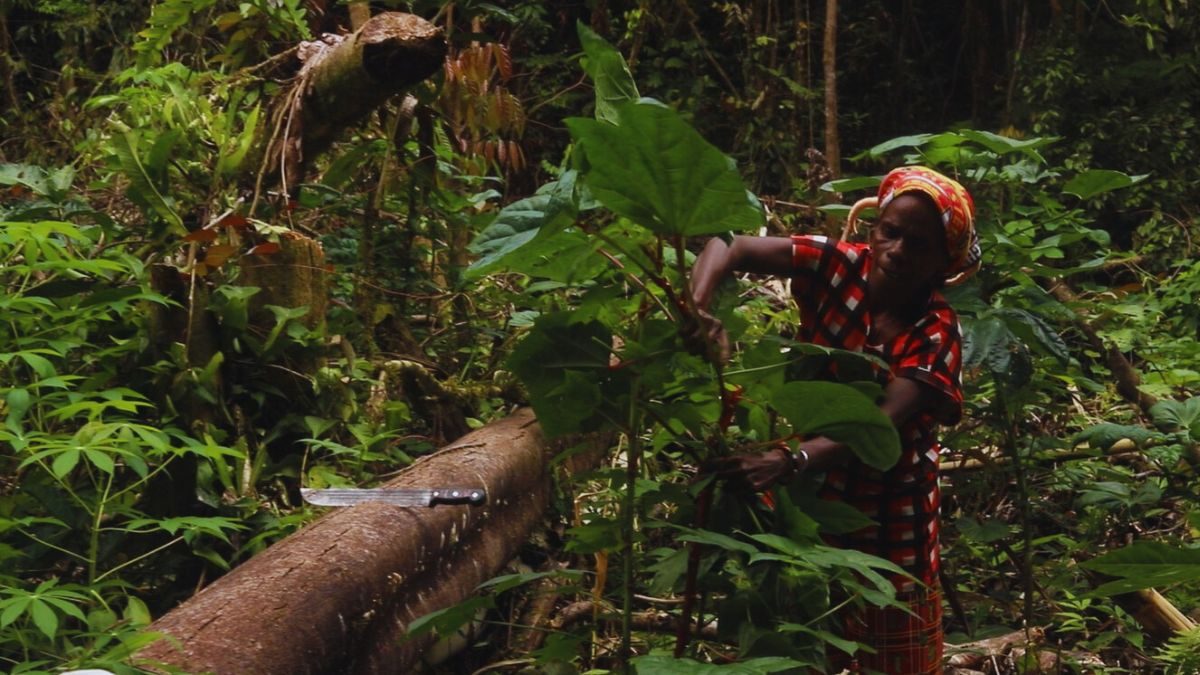
Assestment Lifescape

In 2022, Kaoem Telapak managed the Menoken activity. In this activity, various communities, products, knowledge, gather with the aim of creating connectivity between communities which leads to an increased sense of solidarity.

After that, in 2023, Kaoem Telapak together with local communities in Selemkai District, Tambrauw Regency, published a book on bird monitoring guidelines. This book displays the natural potential of the Moi Kelim Indigenous Community there. In addition, Kaoem Telapak together with the Yaf Kayam group in Kampung Wertam, Bikar District, Tambrauw Regency inaugurated the Yaf Kayam Market. This market is used to market agricultural products, coconut oil and fish catches of Yaf Kayam Market group members.

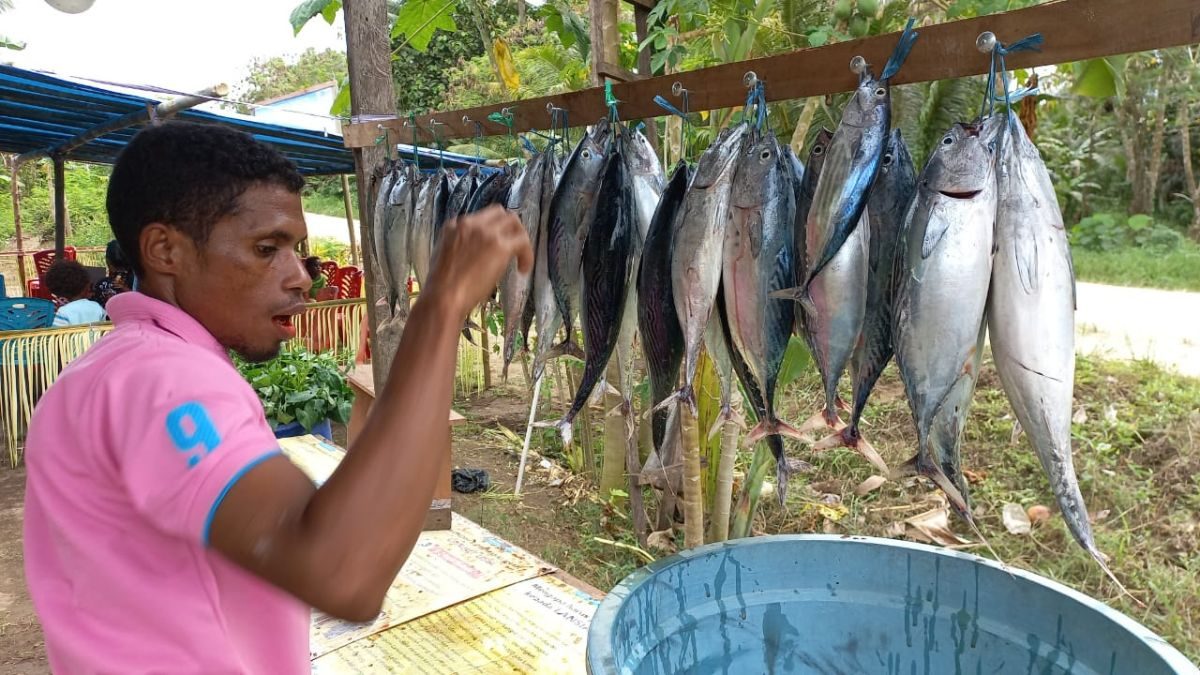
Fresh fish ready to sell.
Yaf Kayam Market

Sustainable Livelihood Strategy for Kaoem Telapak Members

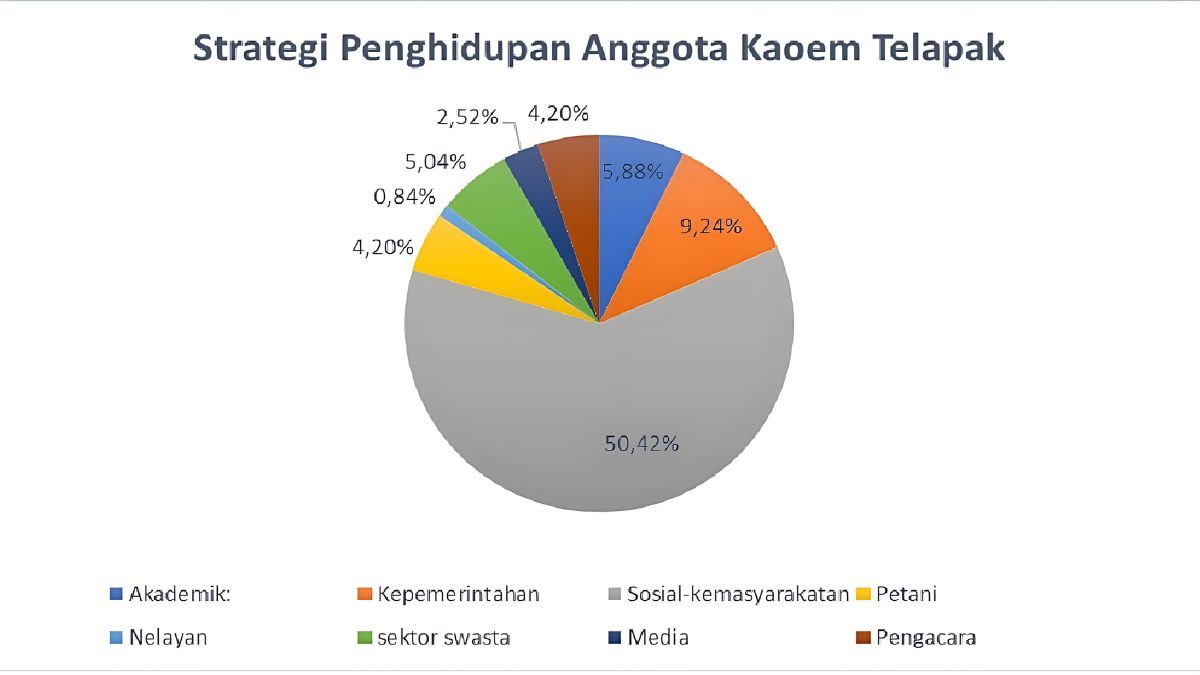
Kaoem Telapak has diverse members. As of 2023, Kaoem Telapak has 120 members spread throughout Indonesia. In addition to the diversity of ethnicity, religion, domicile areas, of course, including the diversity of their livelihood strategies. 50.42% of Kaoem Telapak members work in the social-community field. They are non-governmental organisation (NGO) workers, community facilitators, NGO founders, and consultants. Then, 9.24% of Kaoem Telapak members work in the government sector, including civil servants, secretaries of council members, and consultants to the General Election Commission. Then, 5.88% of Kaoem Telapak members work in the academic field. They are teachers, lecturers, and students. Meanwhile, in agriculture there are 4.20% of Kaoem Telapak members who work there.

Livelihood - Grafik Penghidupan - ENG

For Kaoem Telapak, members are agents of change who actively contribute to the campaigning of sustainable livelihood strategies in their respective regions, communities and fields.

THIS SITE USES COOKIES

Some of these cookies are essential, while others help us to improve your experience by providing insights into how the site is being used.

For more details or to change your consent choices at any time – see our Privacy and Cookie Policy

Other than Desktop, this site has been optimized for mobile and tablet with breaking point (WxH) 440 x 956 px and 1024 x 1366 px. In case the page is breaking, kindly request Desktop version instead.

THIS SITE USES COOKIES

Some of these cookies are essential, while others help us to improve your experience by providing insights into how the site is being used.

For more details or to change your consent choices at any time – see our Privacy and Cookie Policy

Necessary Cookies

Necessary cookies enable core functionality. The website cannot function properly without these cookies, and can only be disabled by changing your browser preferences

Analytical cookies help us to improve our website by collecting and reporting information on its usage

Other than Desktop, this site has been optimized for mobile and tablet with breaking point (WxH) 440 x 956 px and 1024 x 1366 px. In case the page is breaking, kindly request Desktop version instead.